


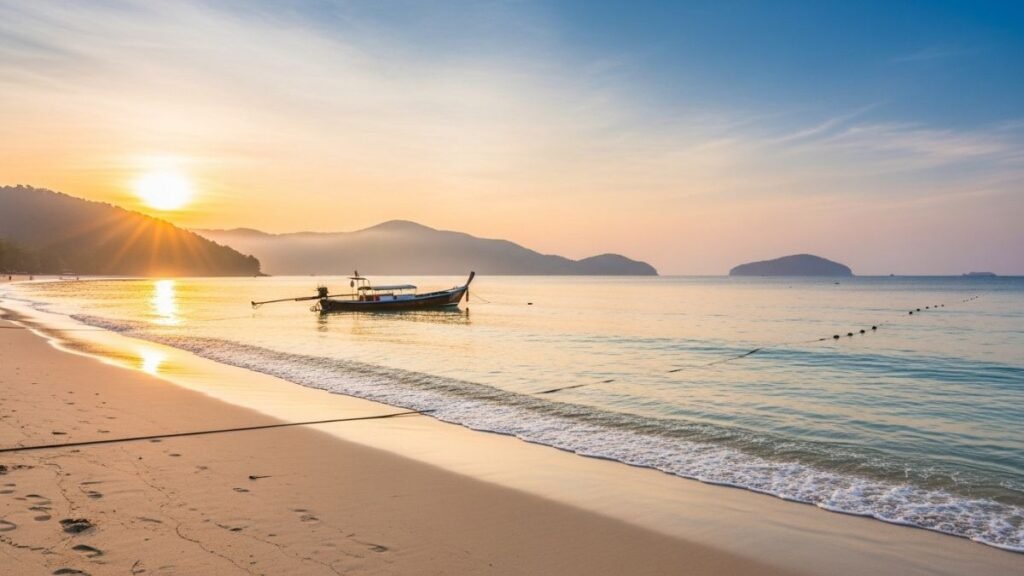
I’ll never forget standing alone at Railay Beach at sunrise in late May 2024, watching the limestone cliffs glow golden without a single tour boat in sight. That moment changed everything I thought I knew about visiting Thailand.
For years, I’d avoided Thailand during what locals call the “green season,” believing the myths about constant rain and closed attractions. But after spending six months researching crowd patterns, weather data, and flight prices for my 2026 Thailand trip, I discovered something incredible: the best time to visit Thailand avoiding crowds in 2026 isn’t when you think it is.

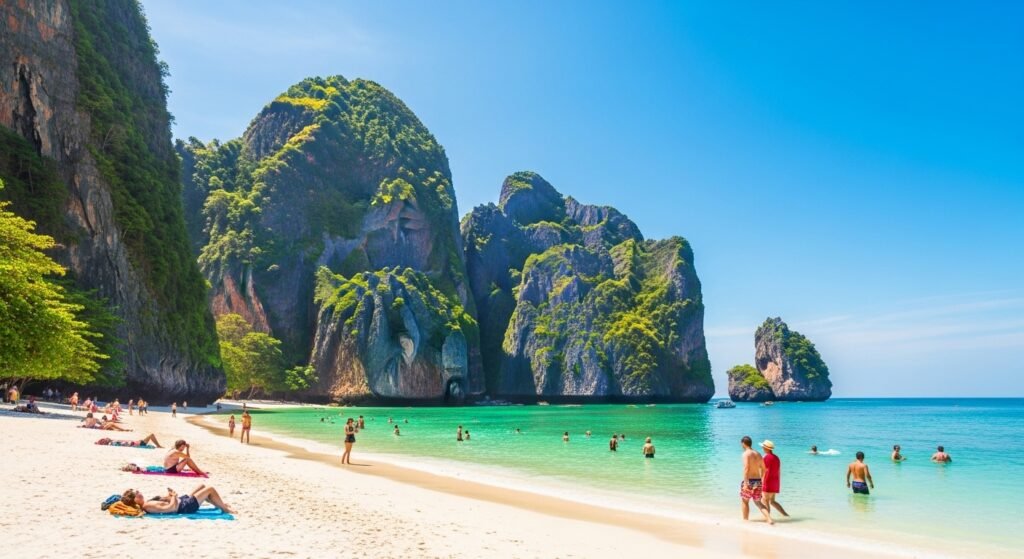
Most travel guides recommend November to February – precisely when 15 million other tourists descend on Bangkok, Chiang Mai, and Phuket. Hotel prices triple, beaches overflow, and you’ll spend more time in queues than actually enjoying Thailand’s magic.
In this comprehensive guide, I’m sharing my personal research on Thailand’s true sweet spots for 2026 – the months when weather is still beautiful, prices drop by 40-60%, and you’ll have temples, beaches, and night markets mostly to yourself. Whether you’re planning two weeks or two months, I’ll show you exactly when to go, where to stay, and how to experience authentic Thailand without the crowds.
Table of Contents
Why Visit Thailand in 2026?
Thailand remains my absolute favorite Southeast Asian destination, and 2026 is shaping up to be an exceptional year to visit – especially if you time it right to avoid the masses.
My personal experience: I’ve visited Thailand four times since 2019, during different seasons. My most memorable trip wasn’t the popular December visit (crowded and expensive), but my six-week adventure from late April through June 2024. I experienced Thailand’s real personality – friendly locals with time to chat, empty temples at golden hour, and spontaneous invitations to family dinners that would never happen during high season.
Why 2026 specifically?
Thailand’s tourism infrastructure has fully recovered post-pandemic, but the massive Chinese tour group numbers haven’t completely returned to 2019 levels. According to Thailand’s Tourism Authority projections, 2026 will see steady growth but not overwhelming crowds – creating a perfect window for savvy travelers.
Unique reasons to visit in 2026:
- New airport rail links connecting Suvarnabhumi and Don Mueang airports make multi-city trips easier
- Visa exemption extended to 60 days for most nationalities (confirmed through 2026)
- Sustainable tourism initiatives in islands like Koh Yao Noi and Koh Lanta are maturing beautifully
- Digital nomad hubs in Chiang Mai and Bangkok have created amazing coworking communities
- Food scene evolution – Thailand’s street food culture earned UNESCO recognition, and 2026 will showcase new food districts
What makes Thailand special regardless of when you visit:
The warmth of Thai people, incredible food at every price point (I’ve had life-changing meals for $2), diverse landscapes from mountains to islands, rich Buddhist culture, and unbeatable value for money. Thailand seamlessly blends ancient temples with modern cities, jungle adventures with beach relaxation, and spiritual experiences with wild nightlife.
Latest 2026 updates: Thailand is investing heavily in sustainable tourism. Many national parks now limit daily visitors (booking ahead is essential), and several islands have implemented plastic-free initiatives. The good news? These changes enhance your experience rather than restrict it.
Read More:Thailand Travel Guide 2026: Complete Budget Breakdown
How to Reach Thailand (Step-by-Step Guide)
Getting to Thailand is remarkably easy from virtually anywhere in the world. I’ve flown into Thailand six different times using various routes, and I’ll share exactly what works best.
Main International Airports:
- Suvarnabhumi Airport (BKK) – Bangkok – My recommended entry point. Thailand’s main international hub with modern facilities, smooth operations, easy city access – perfect for first-timers.
- Don Mueang Airport (DMK) – Bangkok – Budget airlines hub. Mostly AirAsia, Nok Air, and regional carriers. Older but functional, good if you’re continuing to domestic destinations.
- Phuket International Airport (HKT) – Direct beach access. Perfect if islands are your only destination. More expensive flights but saves Bangkok stopover.
- Chiang Mai International Airport (CNX) – Northern gateway. Limited international connections, great for north-focused trips.
Step-by-Step Booking Strategy (How I saved $400):
Step 1: Find the Cheapest Month
Use Google Flights’ calendar view for Thailand. My research shows:
- Cheapest months: May, June, September, October (40-50% cheaper)
- Most expensive: December, January, February
- Sweet spot: Late April or early June
Step 2: Best Airlines & Routes
| Route | Airlines Recommended | Average Cost | Flight Time |
|---|---|---|---|
| USA → Bangkok | EVA Air, ANA (via Taipei/Tokyo) | $650-900 (off-peak) | 20-24 hours |
| Europe → Bangkok | Qatar, Emirates, Thai Airways | €400-600 (off-peak) | 11-14 hours |
| Australia → Bangkok | Thai Airways, Jetstar | AUD 350-600 | 9 hours |
| Middle East → Bangkok | Emirates, Qatar | $300-500 | 6-7 hours |
My insider tip: Book separate tickets – a cheap flight to a major Asian hub (Tokyo, Seoul, Singapore), then a budget carrier to Bangkok. I saved $380 doing this in 2024.
Step 3: Visa Requirements (Updated 2026)
Most nationalities get 60 days visa-free (extended from 30 days in 2024). Your passport should have a minimum of six months remaining before expiration. I’ve never had issues, but immigration occasionally asks for proof of onward travel – a $12 refundable bus ticket to Cambodia works perfectly.
Step 4: Airport to City Transportation
From Suvarnabhumi to Bangkok:
- Airport Rail Link: 45 baht ($1.30), 30 minutes to city center – my go-to option
- Metered taxi: 300-400 baht ($9-12) plus 50 baht airport fee
- Grab (like Uber): 350-450 baht, convenient but avoid rush hour
- Airport bus: 150 baht, cheapest but slowest
Pro tip: Download the Grab app before landing. Turn on airplane Wi-Fi during descent to pre-book your ride while still airborne.
Domestic Transportation:
Once in Thailand, getting around is incredibly cheap:
- Domestic flights: $20-60 with AirAsia, Nok Air, Thai Lion Air
- Overnight buses: $15-25, surprisingly comfortable VIP buses
- Trains: $10-40, scenic but slow (book berths on 12Go.asia)
- Minivans: $8-15, fastest for medium distances but cramped
My transportation hack: Buy flights during AirAsia sales (every few weeks) for routes you’re certain about, but keep ground transport flexible for spontaneous changes.
Best Things to Do – Complete Itinerary for Avoiding Crowds
After six Thailand trips totaling four months, I’ve cracked the code on experiencing Thailand’s highlights without the tourist hordes. Here’s my detailed crowd-avoiding itinerary that covers the best of Thailand.
The Perfect 2-3 Week Thailand Itinerary (Off-Peak Timing)
Days 1-3: Bangkok (Visit During Weekdays)
1. Explore temples early morning (6:30-8:00 AM)
- Wat Pho: Arrive at opening (8 AM) to see the Reclining Buddha in peace. Entry: 200 baht
- Grand Palace: Go on rainy afternoons (May-Oct) when cruise ship tours cancel. Entry: 500 baht
- Wat Arun: Sunset is crowded; I prefer sunrise (6:30 AM). Entry: 50 baht
- Hidden gem: Wat Suthat – absolutely stunning, zero tourists, 20 baht
2. Navigate Bangkok’s neighborhoods like a local
- Chinatown (Yaowarat): Visit on weekday afternoons, avoid Saturday/Sunday madness
- Khao San Road: Skip it entirely or visit at 6 AM for photos without drunk backpackers
- Chatuchak Weekend Market: Only if you’re there on weekends; arrive at 9 AM opening
- Better alternative: Or Tor Kor Market – locals’ favorite, amazing food, no crowds
3. Unique Bangkok experiences
- Rooftop bars: Skip Lebua (from Hangover 2), try Octave Rooftop Bar – same views, 1/3 the price
- Cooking class: Silom Thai Cooking School (small groups, morning sessions less crowded)
- Canal tour: Long-tail boat through Thonburi canals, 1,500 baht/boat (split with others), 2 hours
- Muay Thai: Rajadamnern Stadium on Wednesdays – more authentic than touristy Patpong venues
My Bangkok crowd-avoidance trick: Stay near BTS Skytrain (Sukhumvit or Silom lines) but avoid Siam station area. I love Ari neighborhood – hipster cafes, zero tourists, easy BTS access.
Time required: 3 days minimum, 5 days ideal
Days 4-6: Chiang Mai & Pai (Visit Late April-May or September-October)
4. Chiang Mai old city temples
- Wat Phra Singh & Wat Chedi Luang: Visit time at 6am, attend monk chanting
- Doi Suthep temple: Hire a songthaew before 7 AM, watch sunrise, descend before tour buses arrive (9 AM)
- Better than Doi Suthep: Doi Pui Hmong Village – continue past Doi Suthep, authentic hill tribe village
5. Elephant sanctuary (ethical only)
- Elephant Nature Park or Kindred Spirit Elephant Sanctuary – no riding, just feeding/bathing
- Book 2-3 weeks ahead, $80-100 per person, full day
- Avoid: Any place offering rides or shows
6. Pai side trip (3-hour drive, 762 curves)
- Rent a scooter, explore Pai Canyon at sunrise (magical and empty)
- Visit Tha Pai Hot Springs before 10 AM
- Coffee farm tours (best in November-January during harvest)
- Stay 2 nights minimum – rushing Pai defeats its laid-back purpose
7. Chiang Mai night markets
- Saturday Walking Street: Smaller, better quality than Sunday market
- Ploen Ruedee Night Market: Locals’ favorite, near Ton Payom Market
Crowd-avoiding tip for Chiang Mai: Visit during Yi Peng Lantern Festival (November 2026) if you book 6+ months ahead, OR visit in May/September when weather is still great but tourists are 70% fewer.
Time required: 4-5 days (including Pai)
Days 7-9: Ayutthaya & Sukhothai (History Without Crowds)
8. Ayutthaya ancient ruins
- Day trip from Bangkok (1.5 hours by train, 20 baht!)
- Rent a bicycle (50 baht/day), explore ruins at your own pace
- Must-see: Wat Mahathat (tree-root Buddha head), Wat Chaiwatthanaram (sunset)
- Visit on weekdays; weekends bring Bangkok crowds
9. Sukhothai Historical Park (the better alternative)
- Fly to Sukhothai or take overnight bus from Bangkok
- Rent bicycle, explore at sunrise (park opens 6 AM)
- Absolutely stunning and receives 90% fewer visitors than Ayutthaya
- Stay in nearby old town, not new Sukhothai (12 km away)
Time required: 2-3 days combined
Days 10-16: Islands & Beaches (The Secret Timing)
10. Gulf of Thailand Islands (Best: May-October)
Koh Tao (my favorite for diving):
- Visit June-September when Andaman Sea is rough; Koh Tao stays calm
- PADI Open Water: $300-350 (cheapest in Asia)
- Crowd-free beaches: Sai Nuan, Tanote Bay, Aow Leuk
- Stay in Mae Haad or Sairee Beach
Koh Phangan (beyond Full Moon Party):
- Visit when Full Moon Party is 2+ weeks away
- Rent scooter, explore Than Sadet Waterfall, secret beaches on east coast
- Bottle Beach: Only accessible by boat or 40-minute jungle hike (worth it!)
Koh Samui (luxury on a budget during low season):
- May-October prices drop 50-60%
- Stay in Bophut or Maenam (quieter than Chaweng)
- Book 4-star resorts for $40-60/night vs. $150+ in high season
11. Andaman Sea Islands (Best: Late April-May, November)
Krabi & Railay Beach:
- Railay: Stay there, not Ao Nang (too touristy). Access only by long-tail boat
- Rock climbing at Phra Nang Beach (courses from $30)
- Kayak to hidden lagoons early morning
- Visit late April or early November (shoulder season magic)
Koh Lanta (my peace and quiet island):
- Visit May-October (many resorts close but best ones stay open)
- Long beaches, relaxed vibe, excellent for digital nomads
- Rent scooter, explore Old Town, southern beaches
Similan Islands (diving heaven):
- Open October 15 – May 15 only
- Liveaboard diving trips: $200-400 for 2-4 days
- Book by March for April departures (best visibility)
12. Skip Phuket entirely OR visit strategically
- If you must go: Stay in Kata, Nai Harn, or Rawai (south) – avoid Patong
- Visit time in May or September month (still sunny, 60% fewer tourists)
- Better alternatives: Koh Yao Noi or Koh Lanta
My island-hopping hack: Don’t try to visit every island. Pick 2-3 max and truly relax. I spent 10 days on Koh Lanta alone and it was paradise.
Time required: 7-10 days (island hopping requires travel days)
Bonus Destinations (For Return Visitors):
13. Kanchanaburi (WWII history & nature)
- Bridge over River Kwai, Hellfire Pass Memorial
- Erawan National Park waterfalls (7 tiers, stunning)
- Stay in floating raft houses on River Kwai
- Visit May-November for flowing waterfalls
14. Khao Sok National Park (jungle and lake)
- Thailand’s most beautiful national park (my opinion)
- Floating bungalows on Cheow Lan Lake
- Jungle trekking, wildlife spotting
- Best time: December-April (dry) or June-August (green season)
Realistic Budget Breakdown (2026 Prices)
I’ve traveled Thailand on both $25/day backpacker budgets and $100/day comfort budgets. Here’s my honest breakdown of what things actually cost in 2026.
Daily Budget Table (Per Person, USD)
| Category | Budget | Mid-Range | Comfort/Luxury |
|---|---|---|---|
| Accommodation | $8-15 (hostel dorm/basic guesthouse) | $25-45 (private room, AC, hot water) | $70-200+ (resort/boutique hotel) |
| Food | $5-10 (street food + local eateries) | $15-25 (mix of local + nice restaurants) | $40-80 (hotel breakfasts + fine dining) |
| Local Transport | $2-5 (public transport, walking) | $8-15 (mix of Grab, songthaews, tuk-tuks) | $20-40 (private drivers, taxis) |
| Activities | $5-15 (temples, beaches, hiking) | $20-40 (tours, cooking classes, diving) | $60-150+ (private tours, spa, experiences) |
| Other | $3-5 (water, snacks, incidentals) | $10-15 (coffee, drinks, shopping) | $20-40 (cocktails, shopping, tips) |
| TOTAL/DAY | $25-50 | $80-140 | $210-510 |
My Actual 21-Day Thailand Budget (Mid-Range, May 2024):
Pre-Trip Costs:
- Round-trip flight (LA to Bangkok): $720
- Travel insurance (21 days): $45
- Vaccinations (already had): $0
In-Country Costs (21 days, solo):
- Accommodation (mix of hostels $12/night & mid-range hotels $35/night): $520
- Food (mostly local, some western meals): $380
- Inter-city transport (flights, buses, ferries): $210
- Activities (cooking class, snorkeling, temples, elephant sanctuary): $290
- Local transport (Grab, songthaews, scooter rentals): $145
- Miscellaneous (SIM card, laundry, tips, souvenirs): $105
Total 21-day trip cost: $2,415 (~$115/day including flights)
Detailed Cost Breakdown:
Accommodation Reality:
- Hostel dorm: 250-400 baht ($7-12) – social, clean, AC
- Private budget room: 500-800 baht ($15-24) – fan, shared bathroom
- Mid-range hotel: 1,000-1,500 baht ($30-45) – AC, hot water, pool
- Beach resort (low season): 1,500-2,500 baht ($45-75) – was $150+ in high season
- Luxury resort (low season): 3,000-6,000 baht ($90-180) – incredible deals
My booking strategy: I use Agoda for Southeast Asia (better prices than Booking.com), book 2-3 days ahead in low season, 2+ weeks in high season. Never book entire trip upfront – flexibility is freedom.
Food Costs (My Favorite Part):
- Street food breakfast: Pad thai, rice porridge – 40-60 baht ($1.20-1.80)
- Local lunch: Rice with curry, papaya salad – 50-80 baht ($1.50-2.40)
- Street food dinner: Grilled meat skewers, noodles – 60-100 baht ($1.80-3)
- Nice local restaurant: 150-250 baht ($4.50-7.50)
- Western food/tourist restaurant: 250-450 baht ($7.50-13)
- Fine dining: 800-1,500 baht ($24-45)
- Beer (7-Eleven): 40 baht ($1.20)
- Fresh coconut: 30 baht ($0.90)
- Smoothie: 40-60 baht ($1.20-1.80)
My eating habits: Breakfast and lunch always local street food ($3-4 total). Dinner alternates between street food (60%) and nicer restaurants (40%). Average daily food cost: $15-18.
Transportation Costs:
- Bangkok BTS/MRT: 16-60 baht ($0.50-1.80) per ride
- Tuk-tuk (negotiate!): 60-150 baht ($1.80-4.50) for short trips
- Grab (Bangkok): 80-200 baht ($2.40-6) for cross-city
- Scooter rental: 150-250 baht/day ($4.50-7.50) – requires international license
- Domestic flights: 700-2,000 baht ($20-60)
- VIP overnight bus: 500-850 baht ($15-25)
Activity Costs:
- Temple entry: 20-200 baht ($0.60-6)
- National park entry: 200-400 baht ($6-12)
- Cooking class: 1,000-1,400 baht ($30-42)
- PADI Open Water: 10,000-11,500 baht ($300-345)
- Snorkeling tour: 800-1,200 baht ($24-36)
- Massage (1 hour): 200-350 baht ($6-10.50)
- Elephant sanctuary (full day): 2,500-3,500 baht ($75-105)
Money-Saving Tips I Actually Use:
- Eat where Thais eat – if you see locals, the food is good and cheap
- Avoid tourist places for meals – walk 2-3 blocks away, prices drop up to 40%
- Visit in low season – hotels cost 50-60% less, negotiate further
- Book activities directly – skip Viator/GetYourGuide, save 20-30%
- Use 7-Eleven strategically – breakfast (toast, coffee), water, snacks, beer
- Happy hours – many bars offer 2-for-1 from 5-7 PM
- Withdraw cash wisely – use ATMs inside banks (better rates), withdraw max amount to minimize fees
- Negotiate tuk-tuks – always cut first price by 30-40%, or walk away
- Free activities – temple grounds, beaches, parks, sunrise/sunset viewpoints
- Share tours/transport – join hostel group tours or find travel buddies to split costs
ATM & Money Tips: Thai ATMs charge 220 baht ($6.50) per transactions. Use Schwab or other no-fee cards. Always decline DCC (dynamic currency conversion) – let your bank do the conversion for better rates.
Pro Tips, Warnings & Essential Packing List
After spending months in Thailand across different seasons, I’ve learned what actually matters. Here’s my honest advice.
Best Time to Visit Thailand Avoiding Crowds – Month by Month:
My #1 recommendation: Late April to Early June
- Pros: Shoulder season prices (40% cheaper hotels), hot but manageable, fewer tourists, mangoes at peak ripeness, festivals ending (Songkran in April)
- Cons: Occasional afternoon showers starting in May (actually refreshing), hot weather (32-35°C)
- Best for: Beaches, islands, cultural sites, budget travelers
My #2 recommendation: September to Mid-October
- Pros: Lowest prices all year, genuine low season (60% fewer tourists), green landscapes, waterfalls flowing, authentic local interactions
- Cons: Rainy season (but it’s not constant!), some island ferries reduced, humidity
- Best for: Northern Thailand, budget luxury, avoiding crowds completely
Other Good Options:
Late March to Mid-April:
- Still dry season weather but tourists decreasing
- Songkran Festival (April 13-15) – massive water fight festival
- Temperatures hottest (35-38°C)
Early November:
- Rains ending, crowds not yet arrived
- Yi Peng (Lantern Festival) in Chiang Mai
- Loy Krathong throughout Thailand
- Beautiful weather
AVOID These Times (Unless You Love Crowds):
December 20 – January 10:
- Peak tourist season, prices triple
- Beaches completely packed
- Advance booking essential
- Only go if these are your only vacation dates
Chinese New Year (late January/early February):
- Massive crowds, especially at tourist sites
- Everything fully booked
July-August:
- European summer holidays bring crowds
- Rainy season in full swing
- Prices stay moderate-high
Rainy Season Reality Check:
I visited during rainy season and here’s the truth: it doesn’t rain all day. Typical pattern is hot sunny mornings, 1-2 hour afternoon downpour (usually 2-5 PM), then clearing up. I actually loved it – fewer tourists, lower prices, and you just plan activities around afternoon rain.
Exception: September-October on Andaman coast (Phuket, Krabi) can have heavy rain and rough seas. But Gulf islands (Koh Samui, Koh Phangan, Koh Tao) are great this time!
Scams & Warnings to Avoid:
1. Tuk-tuk “Temple is closed” scam
- Driver says Grand Palace is closed, offers alternative tour to gem shop
- Solution: Verify temple hours on official sites, walk away
2. Jet ski rental damage scam (Phuket, Pattaya)
- Rental company claims you damaged jet ski, demands $500-1,000
- Solution: Take extensive photos/video before use, use reputable companies only, or skip jet skis entirely
3. Taxi meter “broken”
- Airport taxis claim meter broken, charge 3x normal
- Solution: Use Grab, or insist on meter or walk away
4. Ping pong show overcharging
- Cover charge, drink minimums, surprise bills
- Solution: Honestly, just skip these tourist traps
5. Gem scam
- “Special government store” offers tax-free gems, you can resell for profit
- Solution: Never buy gems to resell – oldest scam in Thailand
My approach: Thai people are genuinely kind. Scams exist in tourist areas only. Once you’re off the beaten path, people will refuse tips and invite you to family dinners.
Essential Packing List (What I Actually Used):
Clothing:
- 3-4 lightweight, breathable shirts (quick-dry material)
- 2 pairs shorts/1 long pants (for temples)
- 1 long skirt or pants (women – for temples)
- Light cardigan/long sleeve (for AC buses, planes)
- Swimsuit
- Flip-flops/sandals (you’ll live in these)
- One pair walking shoes/sneakers
- Sarong/beach towel (multi-use: beach, temple cover-up, towel)
Don’t overpack clothes – laundry costs 30-50 baht/kg ($1-1.50). I packed 7 days of clothes for 21-day trip.
Temple dress code: Cover shoulders and knees. I bought cheap fisherman pants ($3) on Khao San Road – comfortable and respectful.
Tech & Essentials:
- Universal adapter (Type A, B, C plugs work)
- Portable power bank (essential for long days)
- Unlocked phone (buy Thai SIM: 300 baht for 15GB, AIS or DTAC)
- Waterproof phone case (beaches, boats, rain)
- E-reader (beach reading, long bus rides)
Health & Toiletries:
- Sunscreen SPF 50+ (bring from home – expensive in Thailand)
- Mosquito repellent with DEET (essential during rainy season)
- Small first aid kit (band-aids, imodium, pain relievers)
- Hand sanitizer (for street food adventures)
- Prescription medications (bring double what you need)
- Reusable water bottle (refill stations everywhere, save plastic)
Skip these (buy there for cheaper):
- Shampoo/soap (provided everywhere or buy for $1-2)
- Towels (hostels provide, or buy cheap)
- Snorkel gear (rent for $3-5)
- Beach items (buy locally for pennies)
My Packing Secret: Pack in a carry-on only (40L backpack). Checked bags slow you down, and you don’t need much in tropical Thailand. I survived 6 weeks with a 35L backpack.
Health & Safety Tips:
Vaccinations (check with doctor):
- Routine: Up to date on all
- Hepatitis A & B: Recommended
- Typhoid: Recommended
- Japanese Encephalitis: Only if visiting rural areas for extended time
- Rabies: Only if working with animals
Food Safety:
I ate street food daily and never got sick by following these rules:
- Eat where all locals eat (high turnover = fresh and Quality food)
- Avoid pre-cut fruit sitting out
- Ensure meat is cooked thoroughly
- Peel fruits yourself when possible
- Drink bottled water only
Dengue Fever Prevention:
Use mosquito repellent, especially dawn/dusk. Wear long sleeves/pants in jungle areas. I never had issues, but it exists.
My Thailand Must-Download Apps:
- Grab: Transportation (like Uber)
- Google Maps: Works perfectly offline
- Google Translate: Has Thai camera translation
- XE Currency: Real-time exchange rates
- Agoda: Best hotel deals for Thailand
- 12Go Asia: Book buses, trains, ferries
- Klook: Activities and tours (sometimes cheaper)
Frequently Asked Questions (FAQs)
1. What is the absolute best month to visit Thailand to avoid crowds?
Based on my research and experience, late April through May or September are the best times to visit Thailand avoiding crowds. You’ll encounter 50-70% fewer tourists compared to peak season (December-February), enjoy significantly lower prices (hotels can be 40-60% cheaper), and still have excellent weather. Late April is the end of dry season with hot weather but minimal rain. September is mid-rainy season, but rain comes in short afternoon bursts, not all-day downpours. Both periods offer authentic experiences with locals who have more time to interact with visitors.
2. Is Thailand’s rainy season really that bad?
No! This is the biggest myth about Thailand. I visited during rainy season (June and September) and loved it. Here’s the reality: Rain typically occurs in 1-2 hour afternoon downpours (usually 2-5 PM), then clears up. Mornings are almost always sunny and beautiful. You can plan activities around the rain – temples and indoor stuff in afternoon, beaches in morning. The landscape is gorgeously green, waterfalls are flowing, and you’ll have popular sites nearly to yourself. Exception: Late September to mid-October on the Andaman coast (Phuket, Krabi) can have persistent rain and rough seas – visit Gulf islands instead during these months.
3. How much money do I need per day in Thailand?
It depends on your travel style. Budget backpackers can survive on $25-35/day (hostel dorms, street food, local transport, free activities). Mid-range travelers (my style) spend $80-120/day (private AC rooms, mix of local and nice restaurants, tours and activities, occasional Grab rides). Luxury travelers spend $200+/day (resorts, fine dining, private tours, spa treatments). Thailand offers incredible value at every budget level. My 21-day trip averaged $115/day including flights from the US, which included cooking classes, elephant sanctuary, snorkeling, and comfortable accommodation.
4. Is it safe to travel Thailand alone as a woman?
Yes! Thailand is one of Asia’s safest countries for solo female travelers. I’m a woman who traveled solo for weeks in Thailand and felt completely safe. Thai people are respectful and helpful. Standard precautions apply: don’t walk alone late at night in unfamiliar areas, watch your drinks in tourist bars, use registered taxis/Grab, and trust your instincts. The backpacker community is huge, so you’re never truly alone – hostels offer group activities and it’s easy to find travel buddies. Solo travel in Thailand is actually easier than most countries because infrastructure is so well-developed for tourists.
5. Do I need to book accommodations in advance?
It depends on when you’re visiting. High season (December-February): Book 2-4 weeks ahead, especially for islands and popular areas. Low/shoulder season (April-October): You can book 2-3 days ahead or even walk in for great last-minute deals. I’ve negotiated 40% discounts by booking same-day during low season. Exceptions: Always book ahead for Yi Peng Festival (November in Chiang Mai), Full Moon Party periods on Koh Phangan, and any specific boutique hotels you have your heart set on. My strategy is booking first 2-3 nights in each destination, then staying flexible based on how I feel and what I discover.
6. What should I know about Thai culture and etiquette?
Thais are incredibly forgiving of tourist mistakes, but showing respect goes a long way: The Royal Family is deeply revered – never criticize or joke about them (it’s illegal). Temples: Dress modestly (cover shoulders and knees), remove shoes before entering, don’t point feet at Buddha images. The Head and Feet: The head is sacred, don’t touch people’s heads. Feet are lowest, don’t point them at people or Buddha images. The Wai: Thai greeting (prayer-like gesture) – visitors can wai back, but it’s not required. Monks: Women should never touch monks or hand them items directly. Respect: Smile, speak softly, avoid public displays of anger. My experience: Thais appreciate any effort to respect their culture, even imperfect attempts.
7. Can I drink tap water in Thailand?
No. Always drink bottled water (6-10 baht per liter). Ice in restaurants and 7-Elevens is generally safe as it comes from purified water sources (it has a cylindrical hole through it), but I avoid ice in sketchy street stalls. I bought a reusable bottle and refilled from large bottles at 7-Eleven – saves money and plastic. Hotels provide free drinking water daily. Don’t brush teeth with tap water or be paranoid about shower water getting in your mouth – that’s fine. Just don’t drink it directly.
8. What’s the best way to get around between cities in Thailand?
For longer distances (Bangkok to Chiang Mai, Bangkok to islands): Domestic flights are surprisingly cheap ($20-60 with budget airlines like AirAsia, Nok Air) and save enormous time. For medium distances (Bangkok to Ayutthaya, Chiang Mai to Pai): Buses or minivans are efficient and cheap ($8-20). Overnight journeys: VIP buses have comfortable reclining seats ($15-25) and save a night’s accommodation. Sleeper trains are scenic and cultural but slower than buses. Between islands: Ferries or speedboats – book through 12Go.asia. My approach: I fly when time is limited or distance is long, bus for medium trips, and I love overnight buses to maximize daylight hours for exploring.
9. Is Phuket worth visiting or should I skip it?
Honest answer: Phuket is Thailand’s most commercialized, crowded island. Patong Beach is a tourist circus I’d avoid entirely. HOWEVER, if you visit strategically during low season (May-October) and stay in the right areas – Kata, Nai Harn, Rawai, or even better, nearby islands like Koh Yao Noi – you can have a good experience. Phuket has excellent food, good infrastructure, and can serve as a jumping-off point for Phi Phi Islands or diving at Similan Islands. My recommendation: Skip Phuket entirely if you value peace and authentic experiences. Go to Koh Lanta, Koh Tao, or Railay Beach instead. If you must visit Phuket (maybe you got a cheap flight there), stay 2-3 days max, avoid Patong, and use it to reach better nearby destinations.
Conclusion
After six trips to Thailand totaling four months, I can confidently say this: the best time to visit Thailand avoiding crowds in 2026 isn’t when everyone tells you to go.
While the masses flood in during December through February, enduring inflated prices, packed temples, and crowded beaches, savvy travelers who visit during late April through May or September through early October experience a completely different Thailand – one that’s more authentic, affordable, and genuinely magical.
You’ll have iconic spots like Railay Beach, Wat Pho, and Sukhothai Historical Park nearly to yourself. You’ll chat with locals who actually have time to share their stories. You’ll pay $40 for beach resorts that cost $200 in high season. You’ll taste street food without standing in lines. You’ll see Thailand’s real personality, not its tourist-facing mask.
My final honest advice: Don’t let fear of the “rainy season” scare you away from the best Thailand travel windows. The rain adds character, cools the heat, and comes in predictable afternoon bursts you can easily plan around. The trade-off – authentic experiences and significant savings – is absolutely worth it.
Your next steps:
- Check flight prices for late April-May or September using Google Flights
- Start following my itinerary suggestions, adjusting for your interests
- Book your first 2-3 nights accommodation, leave the rest flexible
- Download essential apps (Grab, Agoda, Google Maps)
- Get travel insurance before you book flights
Thailand changed my life and my perspective on travel. It showed me that slower, crowd-free travel in “off” seasons creates memories far richer than ticking boxes on crowded itineraries during peak times.
Start planning your 2026 Thailand adventure today. Trust me – visiting Thailand when everyone else stays home is the best decision you’ll make.
Have questions about planning your crowd-free Thailand trip? Drop a comment below and I’ll share my personal insights! And if you found this guide helpful, bookmark it for your 2026 planning – you’ll want to reference these tips again.