


Japan is changing its rules — and if you are planning a trip, what you don’t know could ruin your entire vacation.
Millions of travelers visit Japan every year, but in 2026, the country has had enough of overcrowded temples, disrespected neighborhoods, and damaged trails. New fees, strict visitor caps, drone bans, and photography restrictions are now in place — and they apply to you, whether you know about them or not. Miss one rule, and you could be turned away at the gate, fined on the spot, or lose your booking entirely.
This article breaks down every major change, what it means for your trip, and exactly how to travel Japan the smart way this year.
Table of Contents
Why Japan Overtourism Became a Crisis
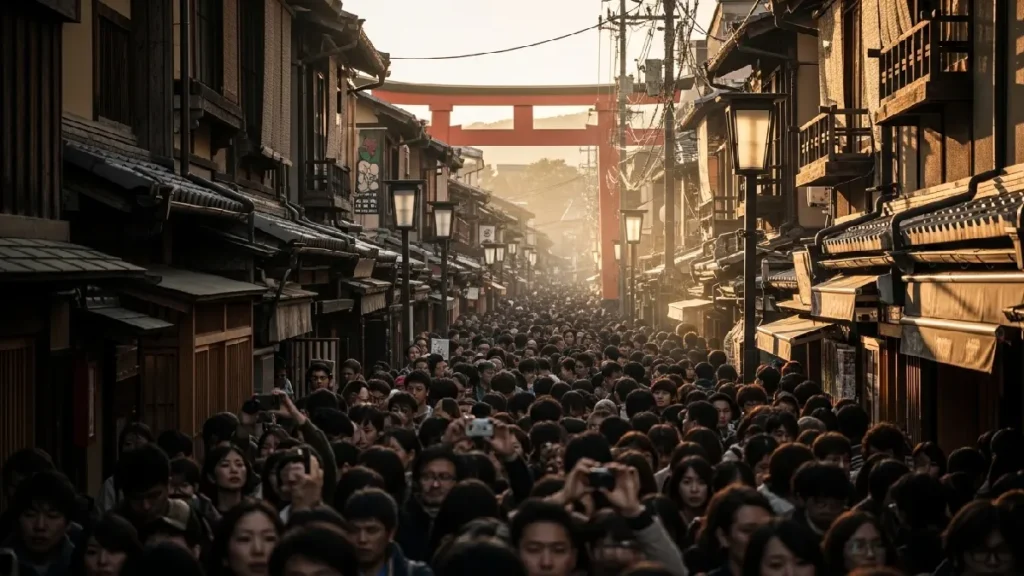
Let us start with the numbers. Japan welcomed over 35 million international visitors in 2024 alone. Cities like Kyoto, Tokyo, and Osaka started to bend under the pressure. Residents complained about crowded streets, overflowing garbage, disrespectful behavior near sacred sites, and skyrocketing rent driven by short-term rentals.
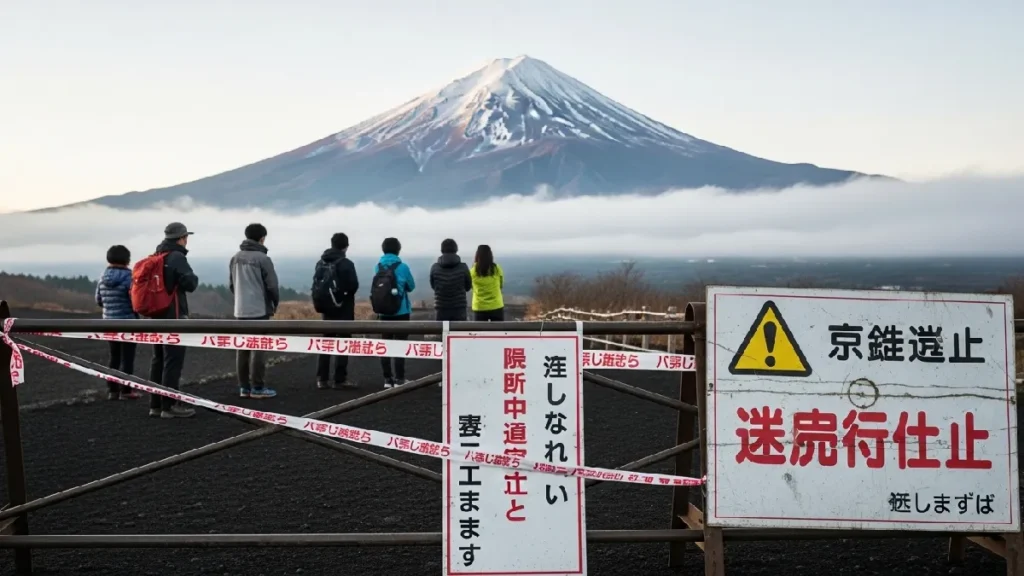
Mount Fuji became the face of the problem. Tourists were climbing at midnight, littering on trails, and taking dangerous shortcuts just to get a photo. The mountain looked less like a national treasure and more like a busy shopping street on a Saturday afternoon.
Kyoto residents avoided their own neighborhoods near Gion because tourist crowds made daily life feel impossible. Quiet streets turned into open-air photo studios overnight.
Japan listened — and in 2026, the government rolled out firm, clear rules. Here is what changed.

Read More:Best Time to Visit Japan Without Crowds(2026 Travel Guide)
1. Entry Fees Have Gone Up Significantly
The most immediate change you will feel is in your wallet. Japan raised entry fees at national parks, UNESCO World Heritage Sites, and major cultural landmarks across the country.
Mount Fuji now charges a trail fee that is far steeper than its previous symbolic amount. That money goes directly toward trail maintenance, waste management, and ranger staffing — so the mountain actually survives the next decade of tourism.
Kyoto followed the same path. Some temple districts now charge separate neighborhood access fees on top of individual temple entry costs. If you are planning a full Kyoto itinerary hitting every major site, budget noticeably more than you would have two or three years ago. This connects directly to the next point — because paying more does not even guarantee you get in anymore.
2. Visitor Caps Are Now Strictly Enforced
Several top destinations now have hard daily visitor limits — and when the number is hit, the gate closes. No waiting. No exceptions.
Mount Fuji’s Yoshida Trail, the most popular climbing route, limits daily hikers during climbing season. Miss your window and you are not getting on that mountain, period.
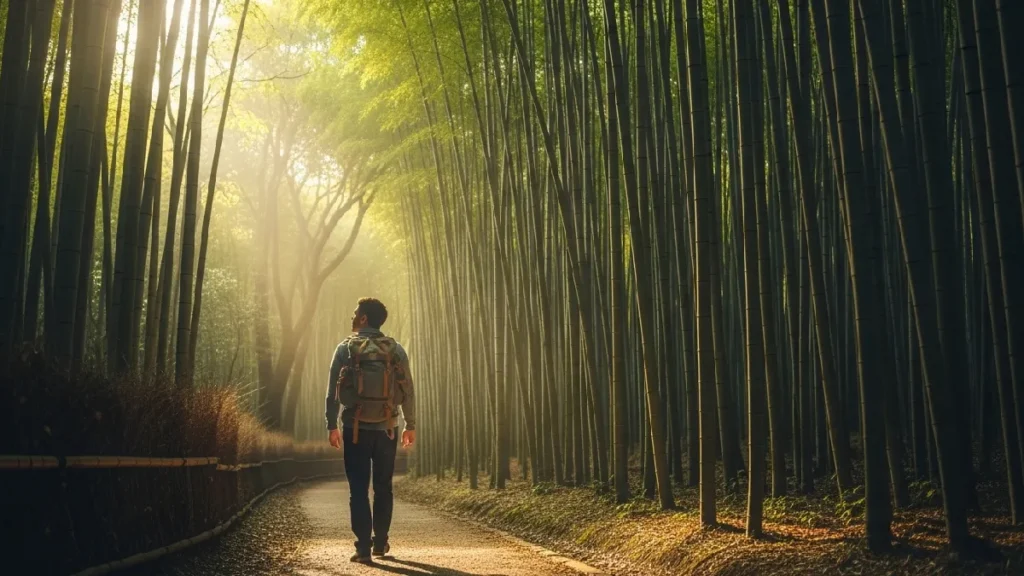
Arashiyama’s Bamboo Grove in Kyoto now runs on timed entry slots. You book in advance, you show up at your time, and you move through respectfully. The result is a quieter, more beautiful experience — but only for the people who planned ahead. Those who didn’t plan ahead and hoped to just walk in will find themselves standing outside looking at a closed gate.
The lesson here is simple: book everything early, because the next set of rules makes spontaneous travel even harder.
3. Drones Are Banned in More Locations
Drone photography exploded in popularity over the last few years, and Japan has drawn a firm line. In 2026, no-fly zones expanded dramatically across historical sites, national parks, festivals, and residential areas.
Flying without a permit can now result in heavy fines and equipment confiscation on the spot. Some areas will not grant permits to tourists at all, regardless of the reason given.
If aerial photography is part of your travel plan, research permit requirements well before you land. The process takes time, and finding out at the location itself is too late. Speaking of photography — the restrictions do not stop at drones.
4. Photography Restrictions Near Private Neighborhoods
Kyoto made headlines when it blocked certain alleyways in the Gion district to stop tourists from photographing geisha. In 2026, more neighborhoods across Japan followed with the same approach — signs, barriers, and fines for anyone who enters restricted residential lanes with a camera or phone raised.
This is about dignity, not just privacy. Residents were tired of being treated like background scenery in their own homes. These restrictions are now law, not suggestions, and enforcement is active.
Respecting these boundaries also makes your overall trip smoother — because the short-term rental rules are creating booking complications that catch many travelers completely off guard.
5. Short-Term Rental Rules Tightened
Airbnb and similar platforms are now tightly regulated across Japan’s major cities. Many neighborhoods in Kyoto and Tokyo restrict short-term rentals to specific days or require hosts to be physically present during stays. This protects housing availability for locals and stops residential blocks from functioning as unofficial hotels.
For travelers, this means fewer affordable rental options in certain areas — and a real risk of last-minute cancellations if your host was not operating within local rules. Hotels and registered guesthouses are your safest booking option in 2026.
How to Travel Japan Smartly This Year
All of these rules connect to one bigger truth: the travelers who will have the best experience in Japan this year are the ones who prepare.
Book everything early. Timed entry slots at capped attractions fill up weeks in advance. Showing up without a reservation means being turned away — the caps and the photography rules both reward people who did their homework.
Go beyond the big cities. Places like Kanazawa, Matsumoto, Yakushima Island, and the Noto Peninsula offer deep cultural experiences without the crowds. Locals in these smaller spots are genuinely happy to see visitors who made the effort to explore somewhere less obvious — and you will not run into the same strict caps and barriers that now define the major tourist corridors.
Carry your trash. Public bins are rare in tourist areas. Japan expects you to carry your waste until you find a proper disposal point. This is not new, but enforcement attention has increased.
Learn a few basic phrases. “Arigatou gozaimasu” and “sumimasen” go further than you think. People notice the effort.
The Bottom Line
Japan in 2026 is still one of the most extraordinary travel destinations on earth — but it asks more of its visitors than it used to. Higher fees, hard visitor caps, expanded drone bans, photography limits, and tighter rental rules are all connected to the same goal: protecting the places, the trails, and the communities that made Japan worth visiting in the first place.
None of this is punishment. It is protection.
Go prepared, go respectful, and Japan will still deliver one of the greatest travel experiences of your life. The rules have changed — but the reward for following them is exactly the Japan you came to see.
Frequently Asked Questions
Q1. Is Japan limiting tourists in 2026? Yes. Japan has introduced hard daily visitor caps at several major sites including Mount Fuji’s Yoshida Trail and Kyoto’s Arashiyama Bamboo Grove. Once the daily limit is reached, entry is closed for that day — no exceptions.
Q2. How much does it cost to climb Mount Fuji in 2026? The trail fee for Mount Fuji has increased significantly in 2026 compared to previous years. The fee goes toward trail maintenance and waste management. It is recommended to check the official Mount Fuji climbing site for the exact current amount before planning your trip.
Q3. Can I use a drone in Japan as a tourist in 2026? In most cases, no. Japan expanded its no-fly zones in 2026 to cover historical sites, national parks, festivals, and residential neighborhoods. Flying without a proper permit can result in heavy fines and equipment confiscation. Some areas do not grant permits to tourists at all.
Q4. Is Airbnb still available in Japan in 2026? Airbnb operates in Japan but under much tighter regulations. Many neighborhoods in Kyoto and Tokyo restrict short-term rentals to specific days or require hosts to be present. To avoid last-minute cancellations, booking a registered hotel or guesthouse is the safer option.
Q5. Which areas in Kyoto now restrict tourist photography? The Gion district is the most well-known area with photography restrictions, particularly in its narrow residential alleyways. In 2026, more neighborhoods across Kyoto and other Japanese cities have added similar barriers and fines for tourists photographing in restricted residential lanes.
Q6. What is the best way to avoid crowds in Japan in 2026? Book timed entry slots well in advance, travel during off-peak seasons like late autumn or winter, and explore lesser-known destinations such as Kanazawa, Matsumoto, Yakushima, and the Noto Peninsula instead of sticking only to Tokyo, Kyoto, and Osaka.
Q7. Do I need to book attractions in advance in Japan in 2026? Yes, for popular sites with visitor caps, advance booking is now essential. Timed entry slots at places like Arashiyama’s Bamboo Grove fill up weeks ahead. Walking up without a reservation means you will likely be turned away at the entrance.
Q8. Why is Japan introducing these tourism rules? Japan crossed 35 million international visitors in 2024, putting enormous pressure on local communities, natural sites, and cultural landmarks. The new rules are designed to protect these places for future generations while giving residents their neighborhoods back.