
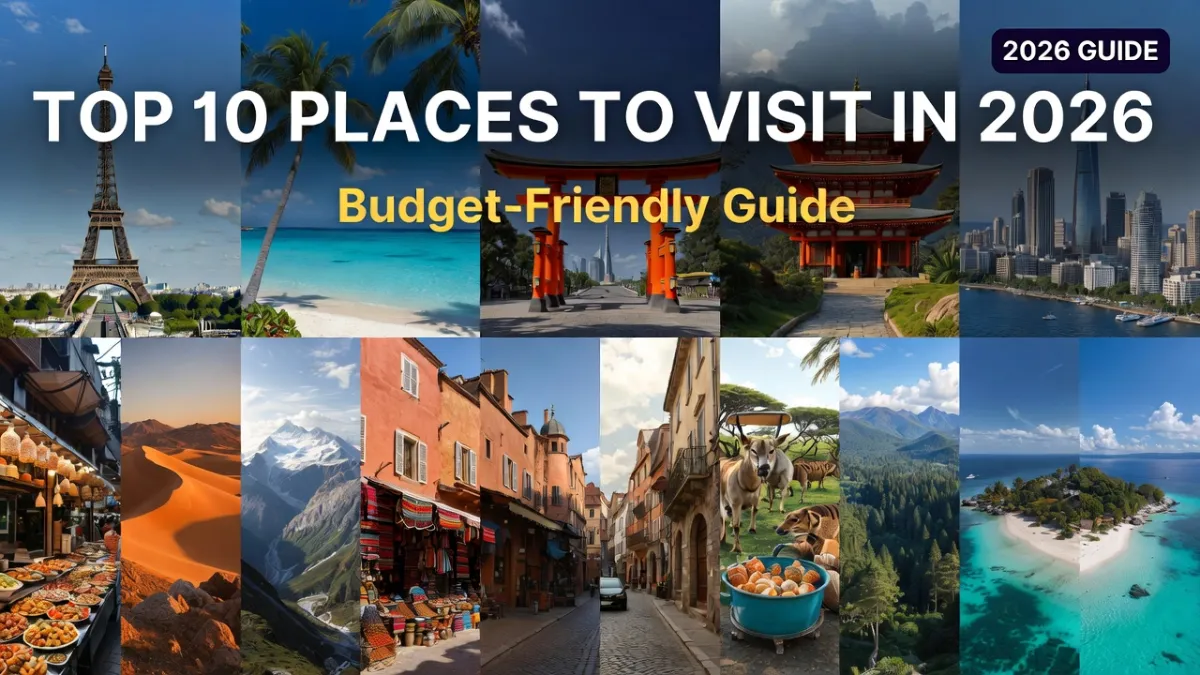
Everyone’s booking trips for 2026 already. If you’re still deciding where to go, you’re running out of time to grab good deals. This list of the top 10 places to visit in 2026 covers destinations that offer real value, great experiences, and won’t destroy your budget.
Table of Contents
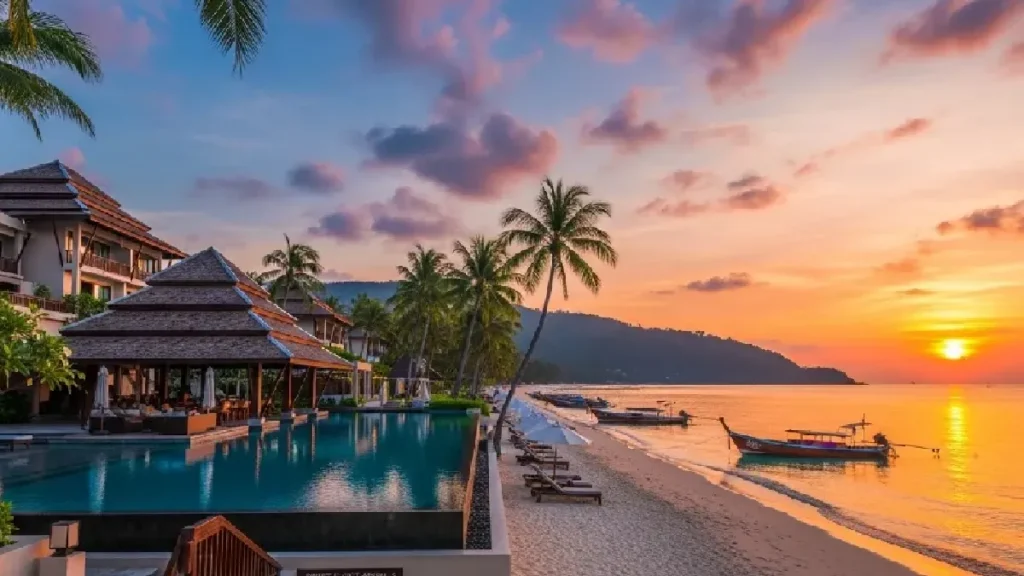
1. Big Sky, Montana
Montana’s ski town stays quiet compared to Colorado’s crowded resorts. Lift lines rarely hit 10 minutes even during peak season. Summer brings hiking, wildlife, and Yellowstone National Park right next door. Hotels run $120-200, which is reasonable for what you get. Rent a car and explore at your pace. That’s the real advantage here.
2. Okinawa, Japan
Japan with beaches. That’s Okinawa in simple terms. This island sits far south of Tokyo. Crystal clear water, coral reefs, and a culture that mixes Japanese traditions with something totally unique. Rental scooters cost $15-20 daily. Street food starts at $2. Budget hotels go for $25-30 per night.
Skip July and August unless you enjoy typhoons.
3. Bangkok, Thailand
Bangkok never stops changing but somehow stays interesting. Street markets sell everything. Temples sit next to shopping malls. Food costs $1-3 per meal at local spots. The metro makes getting around simple. A ride costs less than a dollar. Hotels start at $10 and go up to $80 for something nice.
Rush hour traffic is brutal though. Stick to the Skytrain between 7-10 AM and 5-8 PM.
4. Paris, France
Paris makes the list because some places become classics for good reason. The Eiffel Tower and Louvre deserve their fame. But walking through small neighborhoods and sitting in random cafes often beats the famous spots. Metro costs $2 per ride. Budget hotels start around $50-100. Food varies wildly—street crepes cost $5 while restaurants charge $15-30.
Markets sell fresh bread, cheese, and wine cheaper than anywhere else.
5. Marrakech, Morocco
Marrakech hits your senses hard. Colors, sounds, smells—everything’s intense. The old medina has narrow streets packed with shops. Bargaining is expected, so never pay the first price quoted. Riads (traditional guesthouses) offer unique stays for $50-100 nightly. Taxis cost $1-5 for short trips. Tagine dishes go for $5-10.
Learn a few Arabic or French phrases. It helps with prices and shows respect.
6. Zanzibar, Tanzania
White sand beaches meet African culture here. Stone Town has buildings with carved wooden doors and spice markets everywhere. Beaches on the north coast have calm, clear water. Local minibuses called dala-dalas cost almost nothing—$0.20-0.85 per ride. Beach hotels range from $20-40 for budget to $60-120 for comfort. Fresh seafood runs $10-20 at restaurants.
Combine this with a mainland safari if you want the full Tanzania experience.
7. Indian Himalayas
Mountains, monasteries, tiny villages. The Himalayas offer something completely different from beach destinations. Ladakh has high-altitude deserts and Buddhist culture. Himachal Pradesh brings green valleys and mountain trails. Rishikesh attracts yoga enthusiasts and river rafters. Buses connect most places for $2-10. Guesthouses charge $10-25 nightly. Meals cost $2-5 and fill you up properly.
Spend two days in Leh before doing anything physical. Altitude sickness isn’t a joke.
8. Phu Quoc, Vietnam
Vietnam’s biggest island still flies under the radar. Beaches stay quiet, jungle covers the interior, night markets serve cheap food. Rent a scooter for $5-10 daily and explore freely. Street food costs $1-3 per meal. Beach bungalows start at $10-20. Visit between November and April. The rainy season makes beaches less enjoyable.
9. Siargao, Philippines
Surfers found Siargao first but everyone’s coming now. Cloud 9 surf break is famous, but you don’t need to surf to enjoy this island. Rent a motorbike for $5-10 and find hidden beaches and blue lagoons. Food is ridiculously cheap. Local meals cost $1-3. Hostels go for $10-20 nightly.
Filipinos are friendly and most speak English, making everything easier.
10. Madrid, Spain
Madrid doesn’t get Barcelona’s attention but deserves more recognition. World-class museums, huge parks, and tapas bars everywhere. Nights start late here—dinner happens at 10 PM, clubs fill up around 2 AM. Metro costs $1-2 per ride. Tapas run $3-6 per plate. Order three or four and you’ve got a full meal.
Walk through Malasaña and La Latina to see where locals actually hang out.
Planning Your 2026 Trip
Each destination has its personality. Beach lovers might pick Zanzibar or Phu Quoc. Culture seekers lean toward Marrakech or the Himalayas. Budget matters too. Southeast Asian spots stretch money further than European cities. But even expensive places have cheap options—local restaurants instead of tourist traps, public transport, staying slightly outside main zones. Book early for popular spots. Last-minute deals exist but you’re gambling with availability.
Mix adventure with relaxation. Some people want action, others want peace. There’s no wrong choice among these top 10 places to visit in 2026.
What matters most is starting your research now and not waiting until everything’s booked.
Frequently Asked Questions
Which destination is cheapest overall?
Bangkok, Siargao, and Phu Quoc top the list for budget travelers. Daily costs sit around $25-35 covering food, accommodation, and transport. Street food alone saves massive amounts compared to eating in restaurants.
What’s best for first-time international travelers?
Bangkok or Paris work well for beginners. Both have excellent public transport, English speakers, and clear tourist infrastructure. You won’t feel lost even if it’s your first trip abroad.
When should I book flights?
For winter destinations like Big Sky or peak-season Paris, book 3-4 months ahead. Southeast Asian spots usually have decent prices 6-8 weeks before travel. Set price alerts and jump when rates drop.
Are these places safe for solo travelers?
Generally yes. All these destinations see plenty of solo travelers. Basic safety applies everywhere—don’t flash expensive items, stay in reviewed places, trust your gut. Tourist areas usually have better safety infrastructure.
How many destinations can I visit in two weeks?
Two or three max. Trying to cram in five countries means spending half your time in airports feeling exhausted. Pick two neighboring countries or three cities in one region for better experience.
Do I actually need travel insurance?
For adventure stuff like Himalayan trekking or Zanzibar diving, absolutely. Medical evacuation from remote spots costs thousands. Even basic coverage helps with flight cancellations and lost bags.