
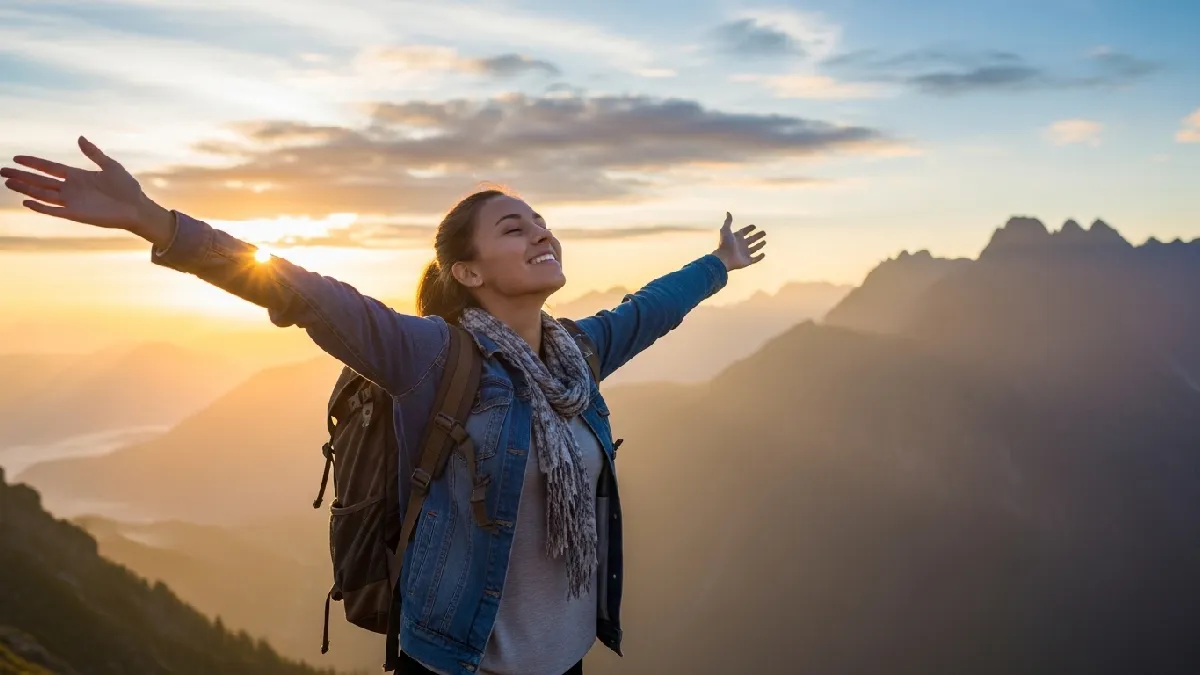
“Dreaming of a solo trip but worried about safety? You’re not alone. Most women ask: ‘Is it safe?’ before ‘Is it beautiful?’ Here’s the truth — you don’t have to choose between adventure and safety. In this guide, I’ve ranked the 12 safest destinations for solo female travelers in 2026 based on real data, local experiences, and women’s feedback on the ground.”
Let’s start with the destinations where women say, “I’d happily come back here alone.
Read More: Best Time to Visit Japan Without Crowds(2026 Travel Guide)
Table of Contents
The 12 Safest Destinations For Solo Female Traveling
1. Iceland – Nature’s Challenges, Human Kindness
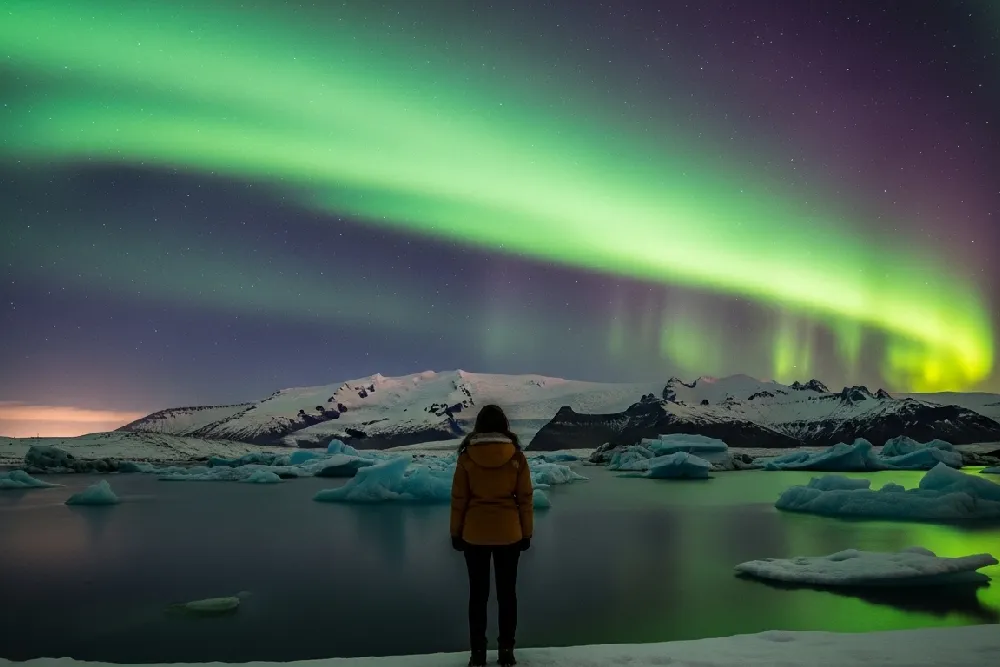
Iceland consistently tops global safety rankings, and for compelling reasons. The crime rate here borders on negligible. Violent incidents involving visitors are extraordinarily rare. You’ll observe locals leaving belongings unattended and doors unlocked—behaviors that seem unthinkable elsewhere. The Icelandic population displays impressive English proficiency. They maintain respectful distance while remaining genuinely helpful when approached. The culture values independence, making solo female travelers completely unremarkable. Here’s the critical caveat: Mother Nature presents the primary hazard. Weather systems shift rapidly. Volcanic activity remains unpredictable. Glacial terrain demands respect and preparation. Always monitor forecasts, inform someone of your itinerary, and avoid venturing into remote areas unprepared.
Daily Budget: $90-160 per day
Optimal Visiting Period: June through August for extended daylight; September through March for Northern Lights
2. New Zealand – Effortless Confidence
Something remarkable happens when you arrive in New Zealand: your shoulders unconsciously relax. The tension that accompanies unfamiliar destinations simply dissipates. Urban centers maintain impressive safety standards. Evening walks feel natural rather than risky. The robust backpacker community creates instant social connections, eliminating isolation concerns. Transportation infrastructure functions reliably. Tour operators maintain professional standards. Road trip adventures become manageable solo endeavors thanks to excellent road maintenance and clear signage. The Kiwi culture embraces outdoor adventure while respecting personal boundaries. Conversations flow easily without crossing into uncomfortable territory. Hospitality feels genuine, never forced.
Daily Budget: $65-110 per day
Optimal Visiting Period: December through February; March through May for autumn colors
3. Japan – Precision Meets Peace of Mind
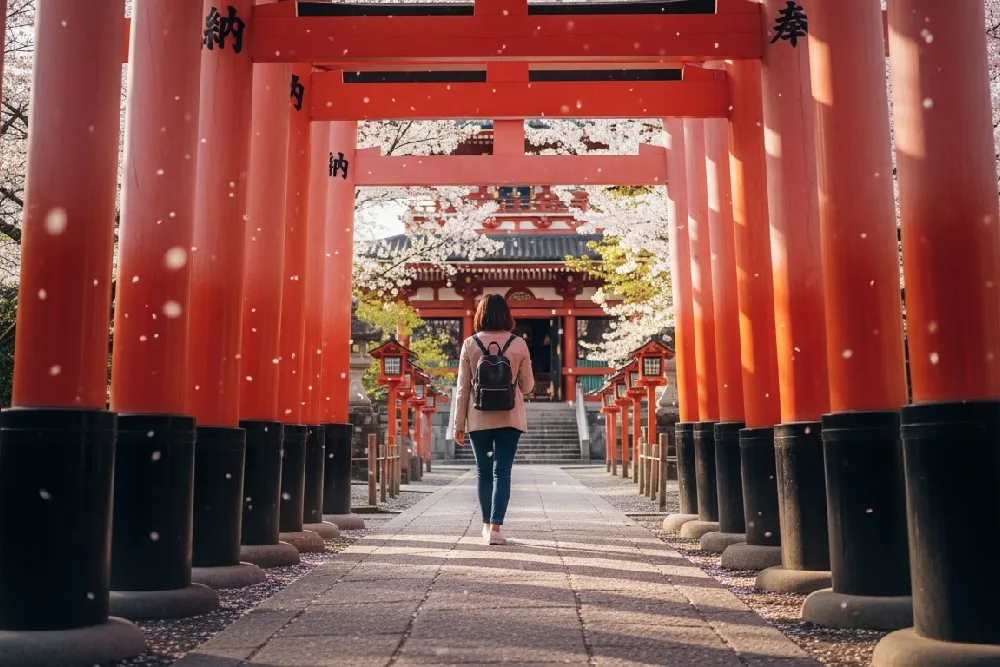
Japan operates at a safety level that initially seems surreal. Lost wallets return with cash intact. Bicycles remain unlocked. Women navigate subway systems until midnight without concern. The cultural emphasis on respect and order creates an environment where personal space remains sacred. Locals maintain polite distance while demonstrating helpfulness when needed. Language barriers exist, certainly. However, kindness bridges communication gaps effectively. Translation applications prove invaluable. Many young Japanese speakers possess functional English skills. During rush hour, trains become intensely crowded. Women-only carriages exist specifically to address comfort concerns during these periods. Their presence and utilization demonstrate the culture’s consideration.
Daily Budget: $75-130 per day
Optimal Visiting Period: March through May for cherry blossoms; September through November for comfortable weather
4. Portugal – Warmth Without Worry
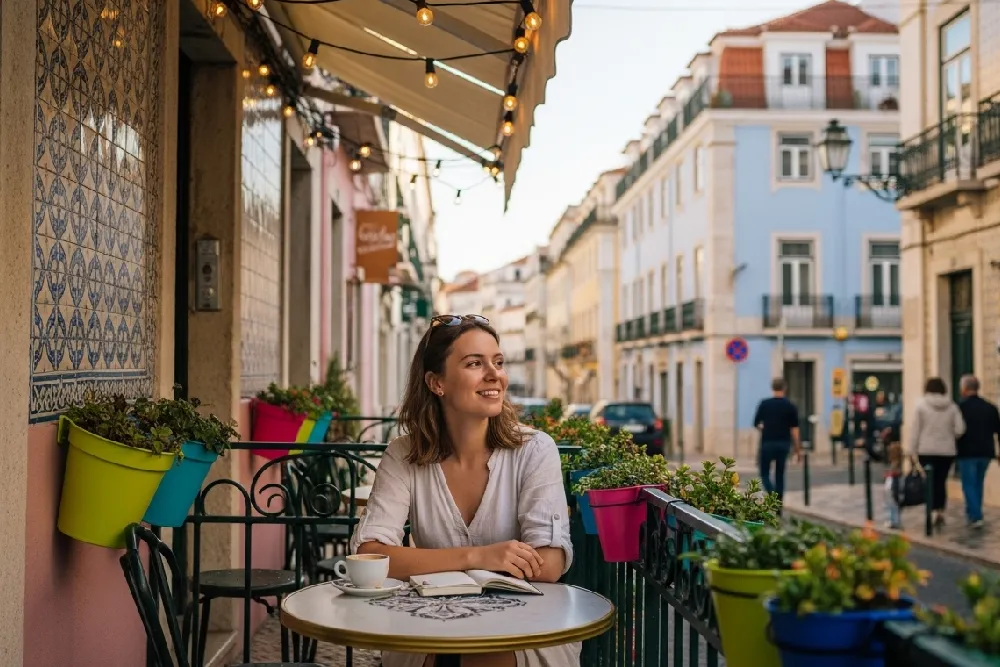
Portugal radiates approachability. Lisbon and Porto buzz with energy while maintaining manageable atmospheres. Violent crime against visitors remains remarkably uncommon. Yes, pickpocketing occurs in tourist-heavy zones—standard urban precautions apply. However, the friendliness you encounter feels authentic rather than transactional. Younger Portuguese citizens typically speak English comfortably. Evening navigation requires basic street smarts. Illuminate routes when possible.Notice how different areas make you feel and gravitate toward safer-feeling zones. These universal city guidelines serve you well here.
Daily Budget: $55-95 per day
Optimal Visiting Period: April through June; September through October for pleasant temperatures
5. Canada – Comfortable Predictability
Canada delivers exactly what you expect: safe cities, functional systems, and genuinely courteous people. The stereotype about Canadian politeness? Completely accurate. Public transportation operates reliably. National parks maintain excellent facilities and marked trails. Urban areas feel secure even during evening hours. Winter conditions demand serious preparation. Temperatures plunge dramatically. Proper clothing becomes essential rather than optional. Healthcare standards rank high globally, though travel insurance remains non-negotiable.
Daily Budget: $85-150 per day
Optimal Visiting Period: June through September for summer; December through March for winter activities
6. Switzerland – Flawless Systems, Premium Prices
Switzerland functions with mechanical precision. Transportation adheres to schedules religiously. Crime statistics remain impressively low. Personal boundaries receive unwavering respect. Mountain trails showcase impeccable maintenance and clear marking. Weather shifts rapidly in alpine regions, demanding layered clothing and preparation. The significant drawback? Expenses accumulate shockingly fast. Budgets evaporate quickly. Grocery shopping becomes essential for cost management.
Daily Budget: $130-220 per day
Optimal Visiting Period: June through September; December through March for skiing
7. Singapore – Structure Creates Safety
Singapore ranks among Earth’s most secure urban environments. Strict enforcement keeps crime extraordinarily minimal. Transportation systems operate flawlessly at all hours. English serves as an official language. Regulations matter significantly here. Compliance isn’t optional. The famous chewing gum prohibition? Genuinely enforced. Respect local laws without exception. Tropical climate brings intense heat and humidity. Hydration becomes crucial. Dress appropriately for constant warmth.
Daily Budget: $75-130 per day
Optimal Visiting Period: February through April for drier weather
8. Denmark – Cycling Culture, Quiet Safety
Copenhagen embodies effortless urban living. Crime rates remain low. Streets maintain safety. Danes communicate directly without rudeness, offering assistance when genuinely needed. Bicycle infrastructure dominates city planning. Renting bikes allows seamless integration into local life. Cycling rules require attention—Danes take their bike lanes seriously. Costs run high, particularly alcohol. Supermarket shopping provides budget relief.
Daily Budget: $110-170 per day
Optimal Visiting Period: May through August for comfortable weather
9. Austria – Classical Elegance, Modern Security
Vienna consistently appears on lists of world’s most livable cities. Public transportation excels. Streets maintain order and safety. English functions adequately in tourist zones; basic German phrases earn appreciation.
Daily Budget: $85-140 per day
Optimal Visiting Period: April through May; September through October
10. Norway – Spectacular Landscapes, Sterling Safety
Norway delivers dramatic scenery paired with exceptional security. Gender equality remains deeply embedded culturally. Infrastructure reaches even remote locations. Costs rank among Europe’s highest—grocery stores become financial lifesavers.
Daily Budget: $110-190 per day
Optimal Visiting Period: May through September; December through March for northern lights
11. Slovenia – Underrated Gem
Slovenia deserves far more recognition. Security measures impress. Affordability surprises. Lake Bled appears almost mythical. Ljubljana radiates charm. English proficiency runs high. Transportation connects major attractions efficiently.
Daily Budget: $55-90 per day
Optimal Visiting Period: May through June; September for ideal conditions
12. Finland – Reserved Culture, Reliable Safety
Finland operates with quiet efficiency. Helsinki maintains safety throughout all hours. Public saunas offer cultural immersion and unexpected confidence building. Winters bring darkness and cold; summers deliver endless daylight. Finns exhibit reserve, not unfriendliness.
Daily Budget: $95-160 per day
Optimal Visiting Period: June through August; December through March for winter experiences
Essential Safety Practices for Solo Female Travelers
Even destinations with outstanding safety records require intelligent precautions. Complacency creates vulnerability.
Pre-Departure Preparations
• Duplicate all important paperwork in both electronic and hard copy formats
• Provide complete trip schedules to reliable family members or friends
• Secure thorough travel protection coverage before departure
• Research cultural norms and local customs thoroughly
During Your Journey
• Listen to intuition—your gut feelings serve protective purposes
• Maintain awareness of valuables and surroundings consistently
• Exercise heightened caution during nighttime navigation
• Establish regular check-ins with home contacts
Accommodation Selection
• Focus on current guest feedback rather than overall rating numbers
• Select neighborhoods with established safety reputations
• Verify functional locks and security measures upon arrival
Social Connections
• Group activities facilitate safe socializing opportunities
• Travel applications connect solo travelers effectively
• Maintain clear personal boundaries regardless of cultural context
Budget Planning Overview
| Budget Category | Countries | Daily Range |
| Premium Tier | Switzerland, Norway, Denmark | $110-220/day |
| Mid-Range Tier | Iceland, Canada, Finland, Austria, Singapore | $75-160/day |
| Value Tier | New Zealand, Japan, Portugal, Slovenia | $55-110/day |
So, which destination are you adding to your 2026 solo travel bucket list? Let me know in the comments below — and don’t forget to share this guide with a friend who needs to see it!
Safety rankings provide valuable guidance. They narrow overwhelming choices into manageable options. However, personal comfort remains deeply individual.
These twelve nations establish solid foundations through minimal crime, functional infrastructure, and respectful cultures. Beyond that foundation, success depends on your awareness, judgment, and confidence.
Solo female travel in 2026 benefits from improved support systems, enhanced connectivity, and growing acceptance. The solo travel community thrives globally, creating networks that reduce isolation.
The world remains accessible. Opportunities abound. Permission from others? Unnecessary.
Select your destination. Trust your preparation. Embrace the adventure awaiting you.
Frequently Asked Questions About Solo Female Travel
1. Is it actually safe for women to travel solo in 2026?
Absolutely. Solo female travel has become increasingly mainstream and well-supported. The countries listed in this guide maintain excellent safety records specifically for independent female travelers. Millions of women explore these destinations alone annually without incident. While awareness and preparation remain important, these nations offer infrastructure, cultural respect, and security systems that make solo travel genuinely viable.
2. Which country is the absolute safest for first-time solo female travelers?
Iceland and New Zealand stand out as ideal starting points. Iceland offers extraordinarily low crime rates where solo female travelers are completely normal. New Zealand combines excellent safety with an established backpacker community. Both feature English-speaking populations, reliable infrastructure, and welcoming attitudes toward women exploring alone. Japan also ranks highly for first-timers due to its exceptional order and respectfulness.
3. How much money should I budget for solo female travel?
Budget requirements vary significantly by destination. Value-tier countries like Portugal and Slovenia allow comfortable travel on $55-95 daily. Mid-range destinations including Japan and Canada require $75-160 per day. Premium countries like Switzerland and Norway demand $110-220 daily. These amounts include your room, daily meals, getting around town, and excursion fees.”
4. What are the biggest safety mistakes solo female travelers make?
The most common errors include ignoring intuition about uncomfortable situations, over-sharing travel plans with strangers, keeping valuables visible in crowded areas, walking alone late at night without researching safety first, and neglecting travel insurance. Understanding local customs prevents unintentional boundary violations.
5. Should I stay in hostels or hotels as a solo female traveler?
Both options work depending on priorities. Hostels excel for meeting other travelers and budget management. Many offer female-only dorms. Hotels deliver privacy and security. Consider mixing both: hostels in social destinations, hotels when needing downtime. Always read recent reviews focusing on safety and location.
6. How do I meet people while traveling solo without compromising safety?
Join organized group activities like walking tours or cooking classes. Use reputable travel apps designed for solo travelers. Stay in social accommodations where common areas facilitate conversations. Always meet new acquaintances in public spaces initially and inform someone of your plans.
7. What should I do if I start feeling unsafe during a solo trip?
Immediately remove yourself from the situation. Move toward populated, well-lit areas or enter a shop or hotel lobby. Contact local emergency services if needed. Reach out to your accommodation for assistance. Trust your instincts completely. Have your embassy contact information readily available.
8. Are there cultural differences I should know about?
Yes, cultural perceptions vary. The countries in this guide view independent female travelers positively. However, understanding local customs remains important. Research appropriate dress codes, greeting customs, and personal space norms. This demonstrates respect and prevents misunderstandings.
9. When is the best time to visit these countries as a solo female traveler?
Shoulder seasons (spring and fall) typically offer moderate weather, smaller crowds, and better prices. Summer provides optimal weather in Nordic countries but brings peak tourists. Winter requires preparation but offers unique experiences. Avoid major holiday periods when prices spike.
References & Data Sources
This article’s safety rankings and data are compiled from the following authoritative sources:
Safety & Security Data:
– Global Peace Index 2025 – Institute for Economics & Peace
– Numbeo Crime & Safety Index 2025
– World Economic Forum Travel & Tourism Competitiveness Report 2024
– US State Department Travel Advisories 2025
Gender-Specific Safety Research:
– Georgetown Institute Women, Peace & Security Index 2024
– UN Women Safety in Public Spaces Survey 2024
– Thomson Reuters Foundation Women’s Safety Rankings
Travel Industry Insights:
– Solo Female Travelers Survey 2024 – TripAdvisor & Booking.com
– World Tourism Organization (UNWTO) Statistics 2024
– Lonely Planet Safety Rankings 2025
Cost & Budget Information:
– Numbeo Cost of Living Index 2025
– Budget Your Trip – Traveler Spending Data 2024
Country-Specific Information:
– Individual country tourism boards and official government travel resources
– OECD Better Life Index 2024
All data current as of February 2026. Safety conditions may change; always verify current advisories before traveling.