
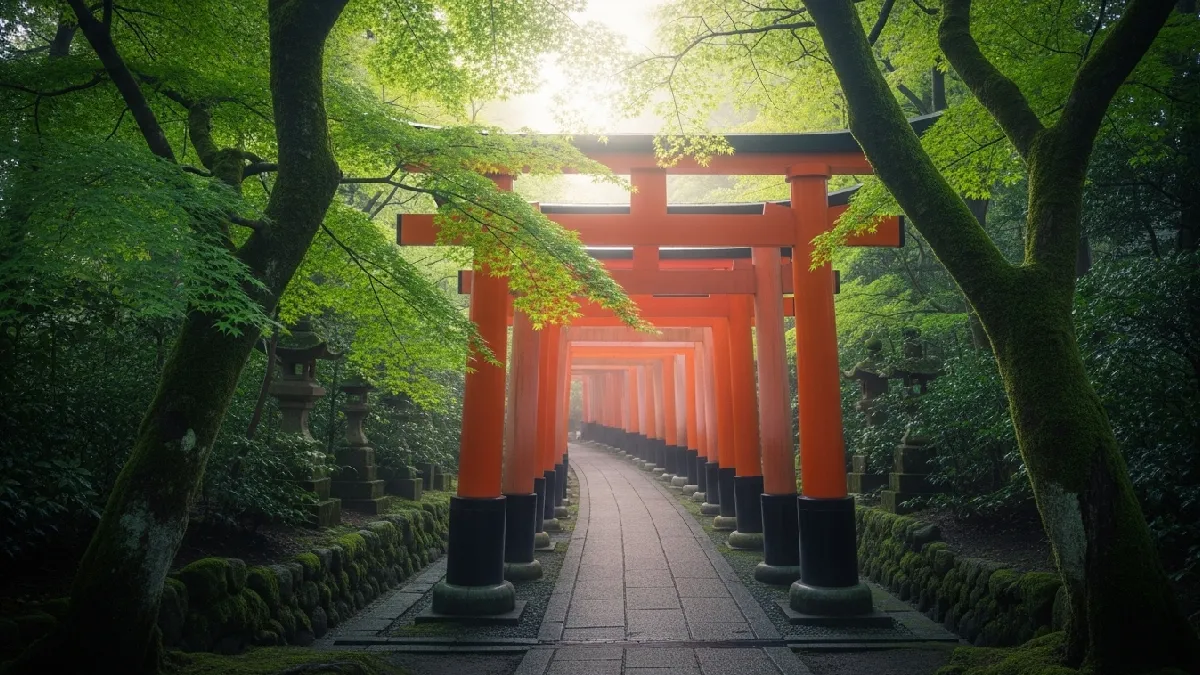
Japan is incredible year-round—but timing decides whether you enjoy peaceful temples or fight shoulder-to-shoulder crowds. If you want fewer tourists, lower prices, and a more authentic experience, these are the exact months you should choose. Let’s go straight to the best times.
Months When Japan Is Least Crowded
1. Early June — Quiet, Green, and Underrated
Most tourists avoid Japan because they hear “rainy season” and cancel their plans. That’s a mistake. Rain in Japan during early June is usually short showers, not all-day storms. Mornings are often sunny, afternoons may see light rain, and evenings clear up again.
What you get in return:
- Temples and gardens look lush and vibrant
- Hydrangeas bloom everywhere
- Tourist numbers drop dramatically
- Hotel prices fall 20–30%
Expect
- Temperature: 21–24°C (comfortable)
- Crowds: 30–40% fewer than spring peak
- Bonus: Firefly season in rural areas
Best for: Kyoto temples, gardens, photography, relaxed exploring
2. Late January – Early February — The Quietest Big-City Experience
Winter scares tourists away, but Japan is magical in cold weather. Cities are calm, skies are clear, and winter illuminations transform urban areas at night. Hotels and restaurants are easy to book, and prices drop significantly.
Expect
- Temperature: 2–7°C (cold but manageable)
- Crowds: 50% lower than peak season
- Savings: 30–40% cheaper hotels
- Bonus: Ski season in Hokkaido and the Japanese Alps
Best for: Tokyo, Kyoto, hot springs, budget travel
3. Late May — Perfect Weather, Fewer Tourists
This is one of the best-kept secrets. Cherry blossoms are gone, Golden Week is over, and rainy season hasn’t started yet. Weather is nearly perfect and crowds drop sharply.
Expect
- Temperature: 18–24°C (ideal)
- Crowds: 40% lower than peak spring
- Weather: Warm days, cool evenings
Best for: Hiking, cities, food tours, first-time visitors
4. Early September — Post-Summer Reset
Once Japanese schools reopen, domestic tourism drops fast. Tourist spots suddenly feel normal again. Humidity falls compared to August, and travel prices stabilize.
Expect
- Temperature: 24–27°C
- Crowds: 35–40% lower than summer
- Weather: Warm with occasional rain
Best for: Cities, coastal areas, general sightseeing
5. Mid-December — The Pre-Holiday Sweet Spot
Autumn crowds are gone, but Christmas tourism hasn’t arrived yet. Cities are decorated and winter lights appear everywhere.
Expect
- Temperature: 5–10°C
- Crowds: 40–45% fewer tourists
- Prices: Excellent hotel deals
Best for: Shopping, winter illuminations, city travel
Months You Should Avoid (Peak Crowds)
If your goal is fewer crowds, avoid these periods.
Japan’s Most Crowded Spring Weeks
- Most crowded time of the year
- Hotel prices jump 200–300%
- Popular temples become packed
Golden Week (Late April – Early May)
- Entire country travels domestically
- Transport and hotels fully booked
Mid-July – Late August (Summer Holidays)
- Hot, humid, crowded everywhere
- Obon week causes massive travel surge
Mid-November (Autumn Leaves Peak)
- Kyoto and famous temples become extremely busy
How Much Money You Save Visiting Off-Season
Travel costs change dramatically depending on timing.
Peak Season
- Budget hotel: $80–120/night
- Mid-range: $150–250/night
- Luxury: $300–600+
Off-Peak Season
- Budget hotel: $40–60/night
- Mid-range: $80–150/night
- Luxury: $150–300
You can realistically save 30–50% on your entire trip.
Best Choice Based on Your Travel Style
Choose your timing based on your priority:
- Best weather → Late May
- Cheapest trip → January or early June
- Hate cold → June or September
- Want emptiest temples → January or June
- Want winter sports → Late January
Final Verdict
There is no month with perfect weather and zero tourists.
But avoiding cherry blossom season, Golden Week, and autumn foliage peak will completely transform your Japan experience.
Visit during the quieter months, and Japan feels calmer, cheaper, and far more authentic.