
Thailand attracts millions of tourists every year — and unfortunately, scammers know this better than anyone. From Bangkok’s busiest streets to Phuket’s tourist beaches, fraud and deception target unsuspecting visitors daily. This guide covers every type of Thailand Tourist scams you will encounter, exactly where they happen, how to stop them before they start, and what to do if you have already been hit.
Read More:Thailand Travel Advice for First-Time Visitors: What Nobody Tells You Before You Go
High Risk Areas for Tourists Traveling Through Thailand
Not every city carries equal risk. Knowing the hotspots puts you one step ahead before you even land.
Bangkok is the scam capital of Thailand without question. Tuk-tuk drivers, gem shops, and fake tourist helpers operate heavily around the Grand Palace, Wat Pho, and Chatuchak Market areas. The sheer volume of tourists makes it the most target-rich environment for scammers.
Phuket and Patong Beach come in close second. Jet ski scams, overpriced tours, and taxi overcharging are extremely common along the beachfront strip. Tourists on holiday mode tend to let their guard down — scammers count on exactly that.
Chiang Mai sees frequent tuk-tuk and gem scams similar to Bangkok, particularly around Doi Suthep temple and the Night Bazaar area.
Pattaya is known for bar scams, overcharging, and short-change tricks targeting solo male travelers especially.
Koh Samui and Koh Phangan have rising reports of motorbike rental damage scams and fake tour operators taking payment without delivering services.
Read More:Thailand Entry Fee 2026: What Every Traveler Must Know Before Booking
Types of Scams That Happen in Thailand
Understanding how each scam works is your strongest defense against falling for one.
The Tuk-Tuk Tour Scam — A friendly driver offers you an impossibly cheap city tour. Every stop happens to be a gem shop, tailor, or souvenir store where the driver earns commission for bringing you in. You end up pressured to buy overpriced goods you never needed.
The Gem Scam — Someone on the street tells you there is a once-in-a-lifetime government gem sale happening today only. The gems you purchase turn out to be worthless glass. This scam has been running for decades and still catches thousands of tourists annually.
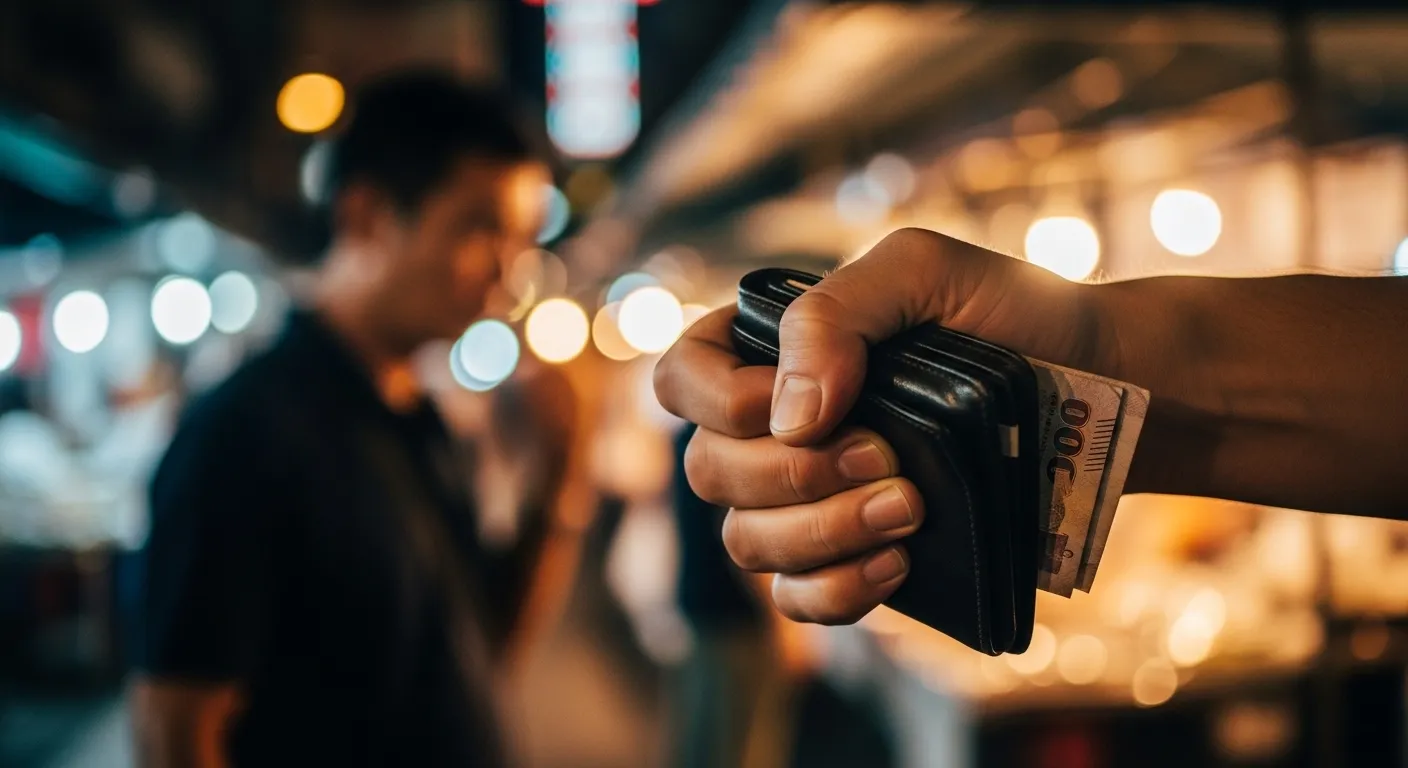
The Show Me Your Money Scam — A well-dressed stranger claims you have been selected for a government lucky draw but must prove you carry enough cash to qualify. The moment you open your wallet, they either swap your notes with fakes or create a distraction to steal directly. Never display your cash to anyone approaching you on the street.
The Jet Ski Damage Scam — You rent a jet ski in Phuket, return it, and the operator suddenly points out damage that was already there before you took it. They demand hundreds of dollars in cash on the spot, sometimes with intimidating backup nearby.
The Closed Attraction Scam — A stranger approaches you near a temple and says it is closed today for a special ceremony. They then offer to take you somewhere better — usually a shopping location where they earn commission.
The Friendly Stranger Scam — Someone strikes up an unusually warm conversation, gains your trust, and eventually leads you to a rigged card game, overpriced bar, or fake business where you lose significant money.
The Taxi and Meter Scam — Drivers refuse to use the meter and quote inflated flat rates, particularly at airports and tourist areas. Always demand the meter is turned on or simply book your ride through Grab for a fixed and transparent fare.
The Fake Monk Scam — Individuals dressed as monks approach tourists asking for donations or offering blessed items. Genuine Buddhist monks in Thailand do not solicit money from strangers on the street.
How to Prevent Getting Scammed in Thailand
Prevention is always easier than recovery. These habits will protect you throughout your entire trip.
- Never accept help or directions from strangers who approach you first without reason
- Always use Grab app for taxis — fixed prices, no negotiation, full accountability
- Photograph jet skis, motorbikes, and rental vehicles thoroughly before taking them
- Research attraction opening hours yourself before leaving your accommodation
- Avoid any deal, tour, or offer that feels rushed or too good to be true
- Keep a photocopy of your passport separate from the original at all times
- Do not hand your passport as deposit for any rental — use a cash deposit instead
Online Scams Targeting Thailand Travelers
Digital fraud targeting tourists has increased sharply in recent years.
Fake booking websites clone legitimate hotel and tour operator sites to collect payments that never result in confirmed reservations. Always book through official websites or verified platforms like Booking.com and Klook.
Romance scams operate heavily through dating apps in Thailand. Scammers build emotional connections over weeks before asking for money transfers under various pretexts.
Fake visa services charge high fees for visa processing that travelers can complete themselves directly through official government channels at no extra cost.
Social media tour fraud involves fake travel influencer accounts promoting tours and experiences, collecting deposits, and disappearing completely.
Always verify any online business through reviews, official contact details, and direct communication before sending any payment.
What to Do If You Get Scammed in Thailand
Getting scammed does not mean you are helpless. Act quickly and follow these steps:
- Stay calm and remove yourself from the situation immediately if you feel unsafe
- Document everything — photographs, receipts, names, locations, and times
- Contact your bank or card provider immediately to dispute unauthorized charges or block your card
- Visit the nearest Tourist Police station — Thailand has a dedicated Tourist Police force specifically for situations like this
- Call the Tourist Police hotline directly on 1155 — English-speaking officers are available around the clock
Do not confront scammers aggressively or attempt to recover money on your own. Personal safety always comes first.
How to Report a Scam in Thailand
Reporting matters — it protects future travelers and creates records that help authorities take action.
Tourist Police (1155) — Your first and most important contact for any scam involving theft, fraud, or personal intimidation. Available 24 hours, English supported.
Royal Thai Police — Visit the nearest police station to file an official report. Request a copy of the report for insurance purposes.
Department of Special Investigation (DSI) — Handles larger organized fraud cases. Reports can be submitted through their official website.
Your country’s embassy — Contact them if your passport has been taken, if you have lost significant money, or if you feel your safety is at risk.
Online fraud platforms — Report fake websites to Google Safe Browsing and to the platform where you encountered the scam, whether Facebook, Instagram, or a booking site.
Thailand is a genuinely wonderful country with warm people and unforgettable experiences. The scams exist, but they are avoidable. Stay alert, trust your instincts, and use this guide every time something feels slightly off — because it probably is.
FAQ
Is Thailand safe from scams?
Yes, Thailand is safe but scams are very common in tourist areas. Staying alert and avoiding strangers who approach you first is all you need.
What is the most common scam in Thailand?
The tuk-tuk scam is the most common. Drivers offer cheap tours that always end at gem shops and tailors where they earn hidden commission.
What to do if scammed in Thailand?
Call Tourist Police immediately on 1155, document everything, and contact your bank straight away to block any unauthorized charges.
How to avoid taxi scams in Thailand?
Always insist on the meter or use the Grab app. Never accept flat rate quotes from drivers outside airports or tourist spots.
Are online bookings safe in Thailand?
Only use verified platforms like Booking.com or Klook. Always check the website URL carefully before making any payment.